Discovering a leak in your ceiling or spotting missing shingles after a heavy storm immediately raises pressing questions about how quickly your home can be restored. Homeowners often worry about disruptions to their daily routines, noise levels around the property, and how long their living spaces might remain exposed to the elements. Understanding what happens behind the scenes during roof repairs allows you to plan your week with clarity and avoid unnecessary stress while contractors work overhead.
Every residential roofing system has its own structural layout, age, and wear pattern, which means project durations vary widely from house to house. While some exterior fixes wrap up within an afternoon, more involved structural restoration requires careful staging, material delivery, and multi-step installation. By learning about the primary factors that shape a contractor's schedule, you can set realistic expectations from the moment you notice an issue until the final cleanup takes place.
Assessing the Extent of Exterior Damage
The overall scope of wear on your house is the clearest indicator of how long your roof repairs will take from start to finish. Surface-level issues, such as wind-lifted tabs, cracked sealant around vents, or isolated flashing gaps, usually allow technicians to isolate the trouble spot and complete the fix rapidly. On the other hand, moisture that has soaked past the outer layer into the wooden decking or attic framing demands tear-off work, carpentry replacement, and thorough drying before new materials go down.
According to Home Advisor, completing a roof restoration can require just a few hours for small jobs like swapping out broken shingles, while major structural work such as correcting a sagging roofline can stretch up to four days. Because hidden water intrusion often stays out of sight until older layers are lifted away, a crew may uncover soft sheathing or rotted fascia boards once work begins. Addressing underlying structural weaknesses properly takes extra labor, yet skipping those deeper fixes would leave your home vulnerable during future storms.
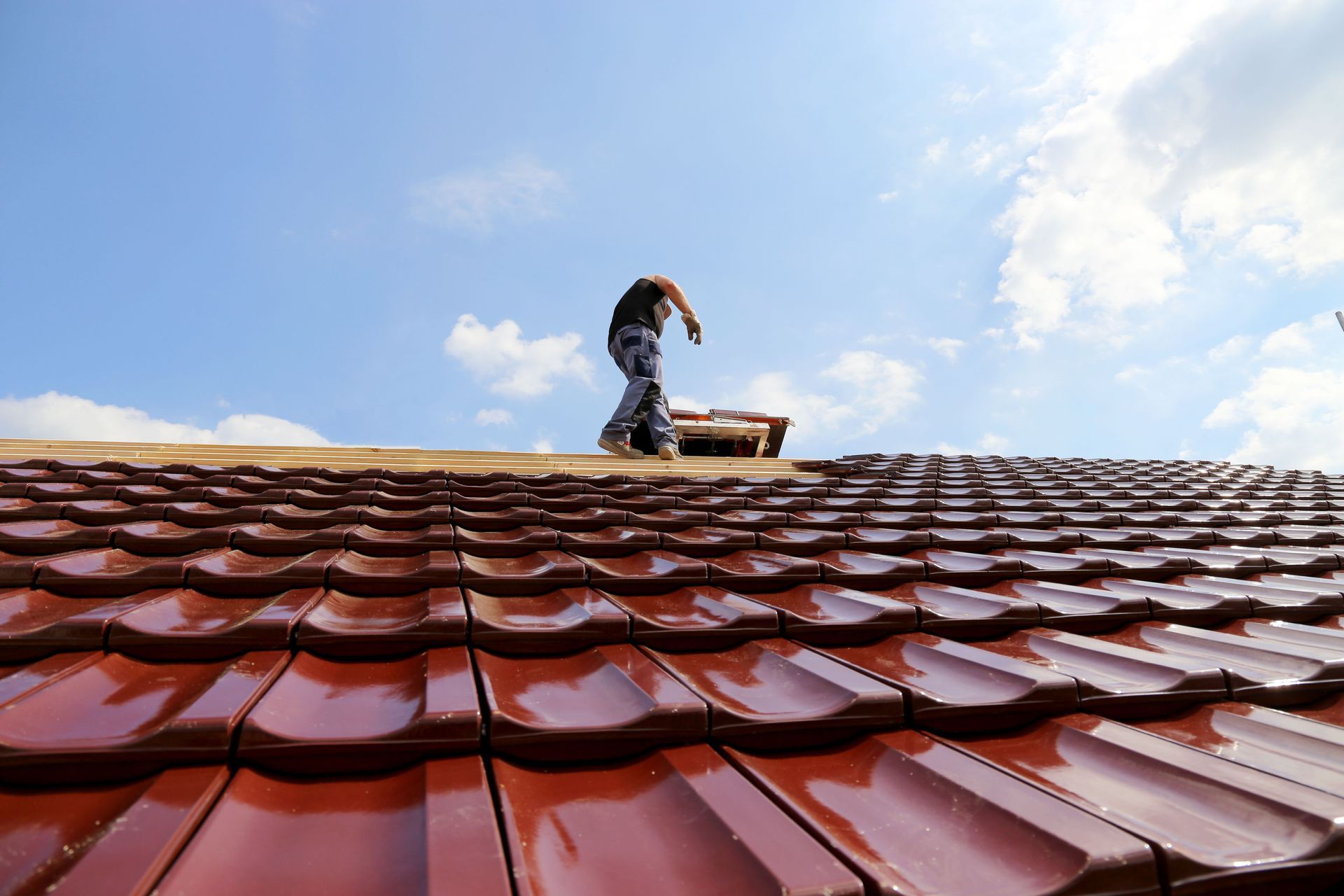
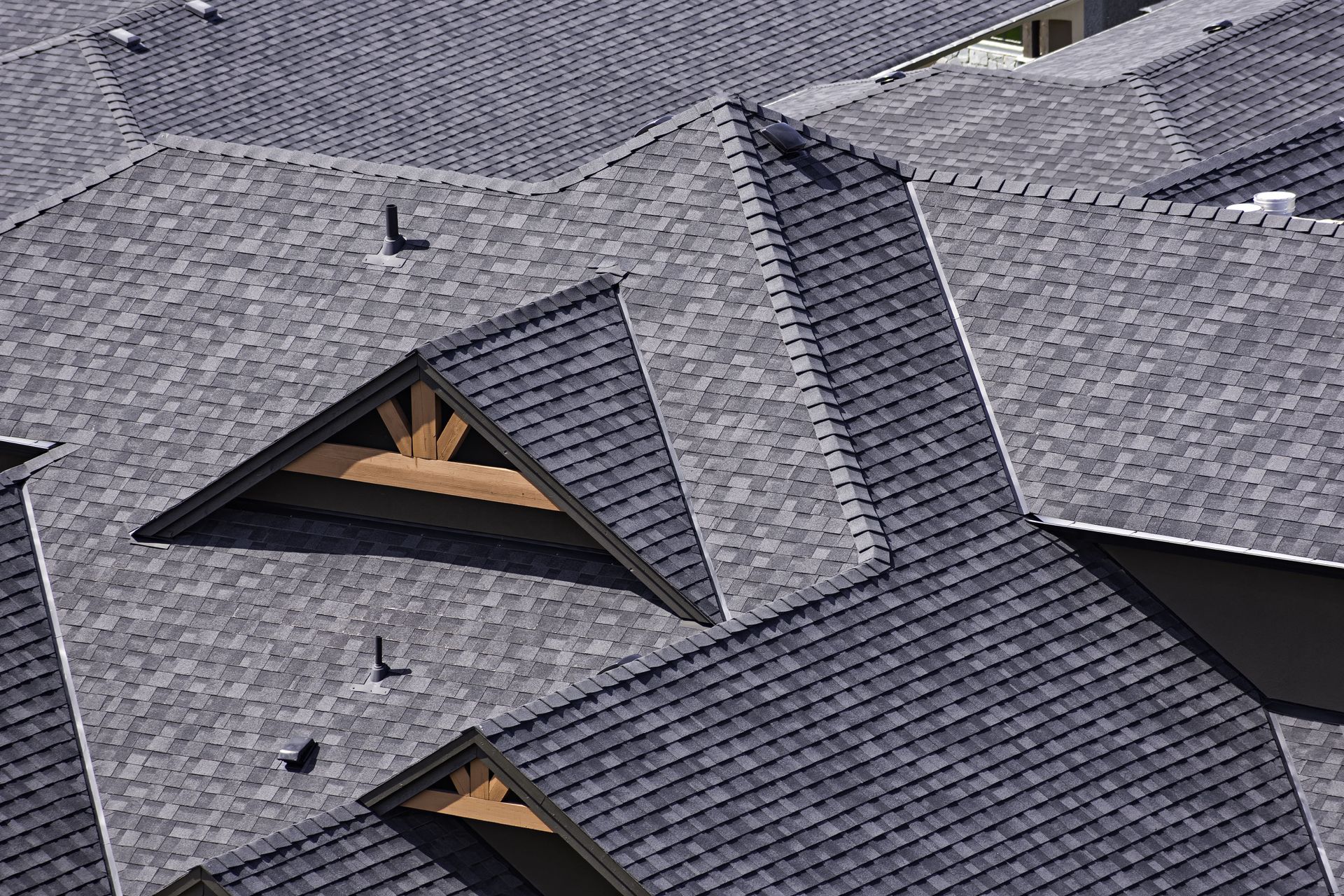
Steep roof pitches, multi-story elevations, and intricate architectural features like dormers, skylights, and valleys also influence daily progress. Crews must set up safety harnesses, roof jacks, and staging platforms on steep slopes, which naturally slows movement compared to working on a low-slope ranch house. Careful attention around chimneys and intersecting rooflines ensures watertight seams that hold up over time.
Evaluating Your Roofing Material Options
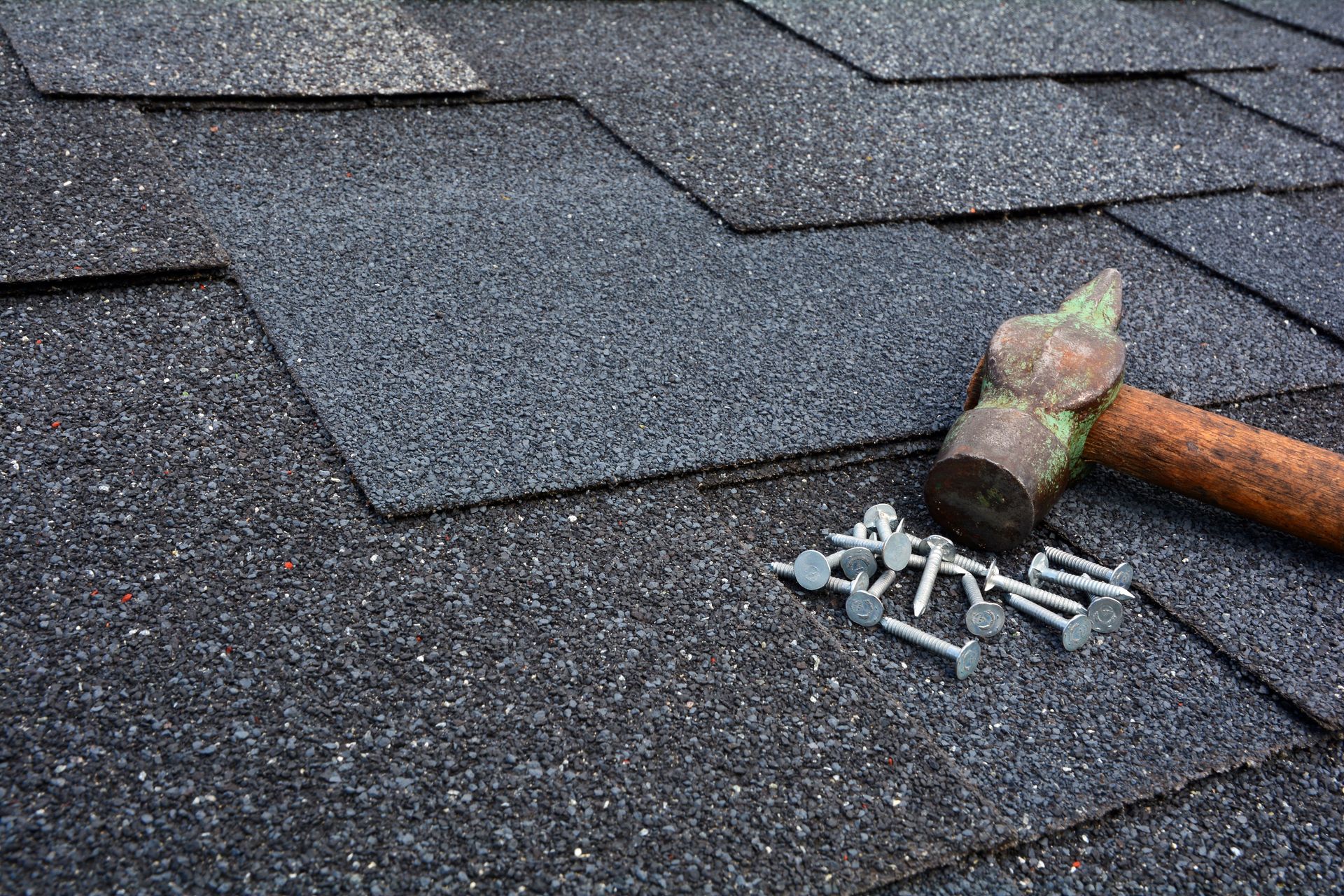
The specific covering installed on your home plays a major role in shaping the project schedule, because different materials react uniquely during roof repairs and require specific installation methods. Traditional asphalt shingles remain widespread because they are lightweight, straightforward to cut, and relatively quick to fasten once damaged sections are removed. Even with asphalt, however, matching the color and profile of an older shingle batch can occasionally add lead time before technicians arrive at the site.
Specialty materials such as clay tile, natural slate, cedar shakes, and standing-seam metal demand specialized tools and measured handling. Clay and slate tiles are heavy and brittle, requiring crews to lift adjacent pieces delicately so surrounding sections do not crack under foot traffic. Metal panels often need custom fabrication to match existing rib profiles and seam locks, meaning order fulfillment and precise fitting take longer than standard shingle work.
Underlayment and ventilation upgrades paired with exterior restoration also factor into the timeline. Installing synthetic moisture barriers, ice and water shields along eaves, or ridge vents involves sequential layering that cannot be rushed. Each protective layer must lie flat and seal properly before the outer roofing material is secured over top.
Accounting for Weather and Seasonal Conditions
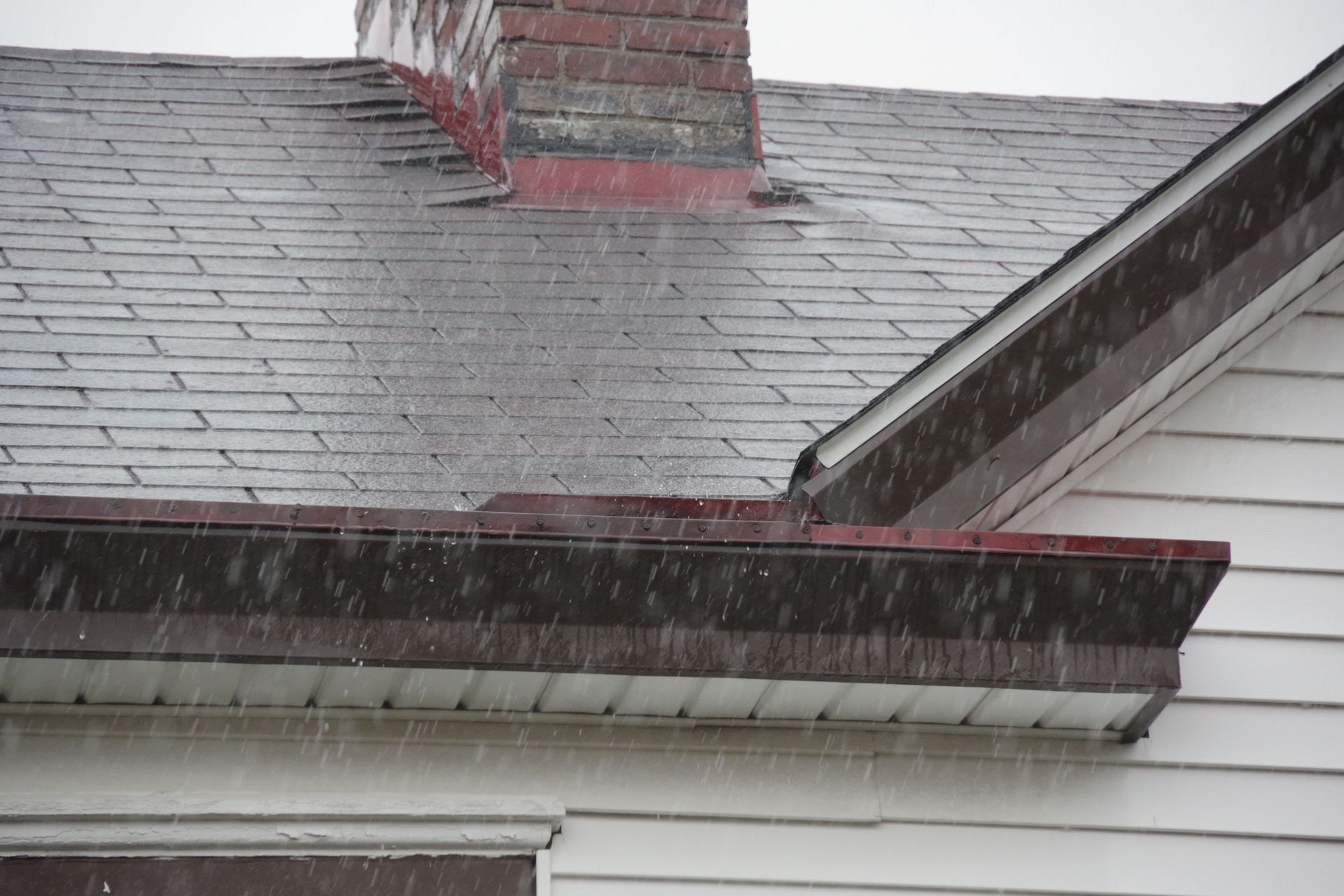
Outdoor temperatures and precipitation heavily influence when crews can safely perform roof repairs on any residential property. Rain, snow, sleet, and high winds create slippery surfaces that put technicians at risk and prevent adhesives from bonding properly to the deck. If sudden showers roll through mid-project, contractors must pause installation and cover exposed sections with heavy-duty tarps until dry conditions return.
Temperature extremes bring their own scheduling considerations throughout the year. During peak summer heat, asphalt shingles can soften under direct sunlight, making them prone to scuffing if workers walk across them during the hottest afternoon hours. Crews often start early in the morning to complete heavy installation before peak heat arrives. Conversely, freezing winter temperatures can make shingles stiff and brittle while slowing down the thermal sealing strips that lock tabs together against wind uplift.
Seasonal demand across the local area also affects how quickly a crew can get onto your property. Following widespread hailstorms, wind events, or heavy spring downpours, roofing companies experience high call volumes from neighboring homeowners dealing with urgent leaks. Reaching out promptly when you spot early warning signs helps secure an earlier spot on the calendar before regional weather events create scheduling backlogs.
Scheduling Professional Inspections and Permits
Thorough upfront planning and coordinating municipal approvals before roof repairs begin prevents unexpected pauses once technicians arrive with materials. Every well-managed project starts with an on-site evaluation where an inspector examines the exterior surface, checks flashing joints, and inspects the attic for daylight, damp insulation, or dark water stains. This diagnostic step clarifies the exact materials, tools, and crew size needed for the job, reducing the chance of mid-project supply runs.
Depending on your municipality and the scale of structural restoration involved, local building departments may require permits or mid-project inspections. Minor patching rarely triggers administrative paperwork, whereas replacing substantial sections of roof decking or altering structural components often requires official sign-off. Navigating municipal review windows, homeowner association guidelines, and material drop-offs ahead of time keeps the active construction phase streamlined and predictable.
Preparing Your Property for the Crew
Taking a few simple steps around your yard and home interior ahead of scheduled roof repairs allows technicians to work smoothly from the moment their trucks pull up. Clearing vehicles out of the driveway gives crews easy access for material staging, ladders, and debris disposal bins. Moving patio furniture, potted plants, grills, and fragile yard decorations away from the perimeter of the house protects your belongings from falling debris and gives workers unobstructed ground access.
Inside the house, vibrations from hammering and foot traffic overhead can occasionally loosen items hanging on upper-floor walls or resting on high shelves. Taking down framed photos, fragile keepsakes, and light fixtures on the top level prevents accidental drops while work progresses above. Covering stored boxes in an unfinished attic with drop cloths also keeps dust and tiny wood splinters off personal items while technicians inspect or replace decking boards.
Keeping pets and young children indoors or away from active work zones throughout the day also helps technicians maintain a steady pace without safety interruptions. Before wrapping up the project, a thorough crew will sweep surrounding flower beds, walkways, and driveways with magnetic rollers to collect stray fasteners, inspect flashing transitions, and leave your yard spotless.
Knowing what to expect at every stage of a roofing project turns an intimidating home maintenance task into a manageable process. From the initial inspection and material selection to weather coordination and final magnetic nail sweeps around your lawn, each step serves a clear purpose in protecting your household and keeping your home dry through every season.
If you are ready to schedule your roof repairs, contact us at Top Most Roofing today. We will help you evaluate your roof's condition, outline a clear project timeline, and restore lasting protection over your home.