By Brian
October 22, 2026
Severe weather events can inflict sudden and extensive damage on residential properties, with the roof taking the brunt of the impact. High-velocity winds, heavy downpours, and intense hailstorms routinely compromise asphalt shingle roofing systems. Identifying subtle signs of distress early prevents minor leaks from escalating into severe structural problems. Understanding how to systematically assess damage and take immediate corrective action protects your home investment and ensures long-term weatherproofing. According to This Old House, a single inch of rainfall can generate almost 1,900 gallons of water runoff from a typical residential roof. Managing that volume of water requires an intact drainage system and an uncompromised primary roof layer. Early recognition of minor roofing defects saves homeowners thousands of dollars in secondary interior restoration costs.
Identifying Visual Indicators of Wind and Hail Damage
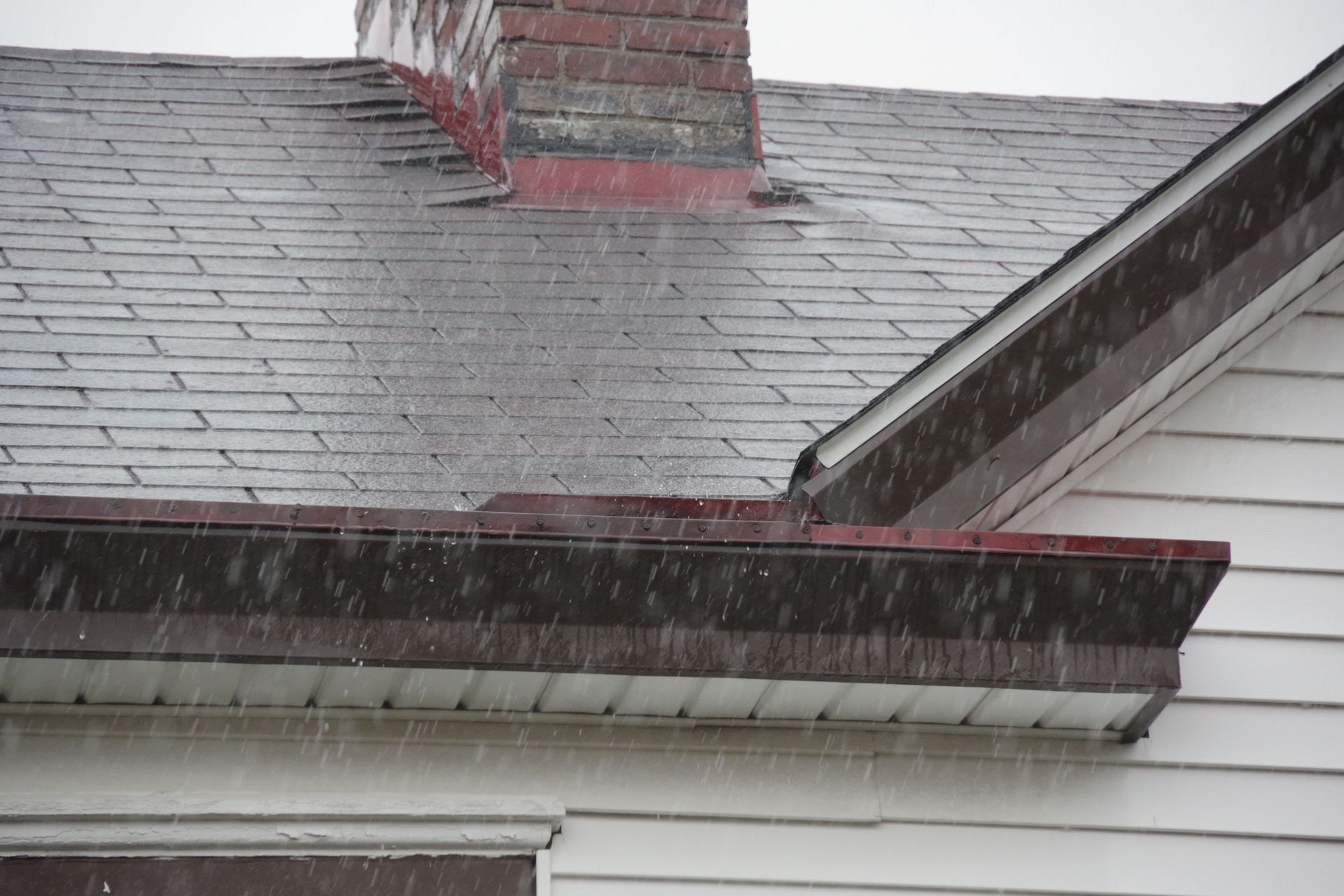
Inspecting your roof immediately following a major storm is crucial for detecting latent physical wear before active leaks develop inside living spaces. Wind damage typically manifests as lifted, creased, or entirely missing asphalt shingles along the roof edges and ridges. High winds break the thermal adhesive seal holding shingles together, causing them to flap, crease, or blow away completely. Hail damage, on the other hand, leaves distinct circular dents or dark pockmarks where impact forces dislodge protective mineral granules. Removing this protective granule layer exposes the underlying asphalt substrate to harsh ultraviolet rays, accelerating thermal degradation and water absorption. Identifying these visual clues early allows homeowners to schedule targeted roof repairs before internal timber framing suffers moisture damage.
Assessing Damage from Falling Debris and Impact Traumas
High-velocity winds frequently snap tree branches and send heavy yard debris airborne, posing a severe threat to residential roof structures. Heavy impacts can puncture asphalt shingles, crack structural decking boards, or dislodge essential protective flashing around chimneys and ventilation pipes. Even smaller falling branches can scrape off protective granule coatings, leaving bare asphalt exposed to natural weathering elements. Homeowners should safely scan the roof surface from ground level using binoculars after any major storm event. If large limbs or heavy debris remain lodged on top of the structure, professional assistance is necessary to prevent further structural damage during removal. Promptly addressing physical impact trauma minimizes the risk of catastrophic water penetration during subsequent rainstorms.
Conducting Safe Ground-Level and Attic Interior Inspections
Safety should always remain the top priority when evaluating potential storm damage around your home. Climbing onto a wet, steep, or structurally weakened roof surface presents immense physical danger and should generally be left to trained professionals. Homeowners can conduct effective ground-level assessments by inspecting gutters, downspouts, and perimeter landscaping for excessive granule accumulation or dislodged shingle fragments. After completing a ground-level perimeter walk, move inside to inspect the attic space directly beneath the roof deck. Look for active water drips, damp insulation, dark water stains on plywood rafters, or daylight shining through structural gaps. Detecting interior moisture intrusion early provides clear evidence that prompt roof repairs are required to preserve structural integrity. Damp attic insulation quickly loses its thermal effectiveness, leading to noticeable increases in household heating and cooling costs.
Documenting Storm Damage for Insurance Claim Processing
Accurate documentation forms the foundation of any successful property insurance claim following a severe weather event. Before clearing away debris or attempting minor temporary fixes, capture detailed high-resolution photographs and videos of all affected exterior areas. Document damaged shingles, dented gutters, broken downspouts, and any interior water staining inside living quarters or attic spaces. Keep a detailed log noting the exact date and time of the storm event, along with local weather reports verifying hail sizes or peak wind speeds. Providing comprehensive photographic evidence and clear timelines streamlines communication with insurance adjusters. Thorough documentation ensures that all necessary roof repairs receive fair evaluation and proper coverage under your homeowner policy terms. Promptly notifying your insurance carrier accelerates the claims processing timeline so repairs can begin without unnecessary delays.
Evaluating Roof Edge Integrity and Flashing Seals
Flashing components installed along roof valleys, chimneys, side walls, and plumbing vents represent critical secondary barriers against liquid water intrusion. High winds can lift loose metal flashing, while large hail strikes can dent and bend aluminum or galvanized steel valley pans out of alignment. Once flashing seals tear away from wall joints or roof decking, wind-driven rain penetrates beneath surrounding asphalt shingles. Inspecting the perimeter drip edge is equally important, as compromised drip edges allow water to pool behind gutters and rot fascia boards. Incorporating flashing restoration alongside shingle replacement ensures that essential roof repairs restore the entire weatherproofing barrier. High-quality rubberized flashing sealant provides an additional layer of protection against stubborn leaks around complex roof valleys.
Executing Emergency Mitigation and Temporary Tarping Measures
When severe storms leave gaping holes or missing shingle sections, taking immediate mitigation steps prevents catastrophic interior water damage. Property owners have a legal responsibility under most insurance policies to mitigate further loss once weather conditions stabilize. Installing heavy-duty woven plastic tarps over exposed roof sections provides temporary weatherproofing until permanent fixes can be arranged. Secure the emergency tarp using wooden furring strips anchored into solid roof framing rather than nailing directly through undamaged shingles. Wearing slip-resistant footwear and using proper ladder tie-offs is essential if emergency tarping is absolutely necessary. Engaging licensed trade professionals for temporary emergency roof repairs ensures safety while securing the structure against incoming rainfall. Taking immediate temporary measures safeguards delicate interior drywall and electrical wiring from ongoing exposure to rainfall.
Selecting Qualified Local Contractors for Permanent Restoration
Restoring a storm-damaged roof requires hiring reputable, licensed, and insured local roofing contractors who understand regional building codes. Avoid high-pressure door-to-door solicitors who travel between storm zones offering immediate fixes without verified local credentials. Always request proof of general liability insurance, worker compensation coverage, and active state licensing before signing any service agreements. Request written estimates outlining material specifications, labor costs, project timelines, and manufacturer warranty details. Choosing an established local contractor ensures access to ongoing customer support and reliable warranty coverage long after major roof repairs are completed. Working with trusted local trade specialists gives homeowners complete confidence in the structural stability of their completed roof installation. Verified customer reviews and local business bureau ratings offer valuable insight into a contractor's craftsmanship and reliability.
Preventing Future Storm Damage Through Ongoing Maintenance
Proactive maintenance plays a critical role in minimizing future storm damage across all types of asphalt shingle roofing systems. Overhanging tree branches should be trimmed back periodically to prevent physical contact with shingle surfaces during high-wind events. Keeping gutters and downspouts clear of leaves and debris ensures that heavy rainwater flows away from the roof foundation without backing up under edge shingles. Inspecting rubber flashing boots around pipe vents and re-sealing exposed fastener heads prevents subtle leaks from developing over time. Scheduling annual professional inspections catches minor wear items before the next major storm hits your region. Investing in routine preventive maintenance significantly reduces the frequency and cost of major roof repairs throughout the lifespan of your home. Clear, functional drainage channels direct heavy storm run-off safely away from vulnerable foundation walls and basements.
Addressing severe weather wear on asphalt shingle systems through vigilant monitoring and timely professional intervention preserves your property's value and structural envelope. Partnering with certified roofing specialists ensures that all restoration work adheres strictly to regional building codes while maximizing the longevity of your shingle system. Contact Top Most Roofing today to schedule a comprehensive roof inspection with our experienced technicians and ensure your home stays fully protected against the next major storm.